
What is the Culver City Unified School District?
The CCUSD is a highly rated public school district located in Culver City, California. It serves approximately 6,700 students. They range from kindergarten through 12th grade. The district is recognized for its academic excellence, diversity, and robust college preparation programs. CCUSD boasts a graduation rate of 95% (up from 84% over the last decade). Students rank in the top 10% for math proficiency as well as the top 20% for Reading/language arts proficiency statewide.
What is the History of CCUSD?
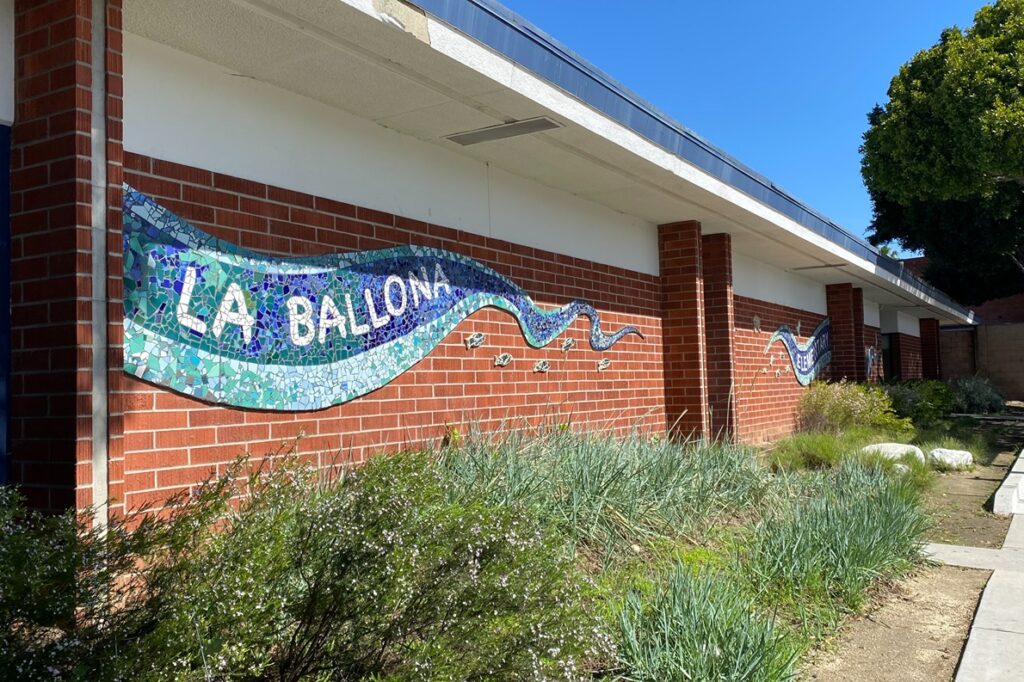
The roots of public education in Culver City date back to 1865 with the opening of La Ballona School. It served the area that would later become Culver City. The district’s development closely followed the city’s growth:
- 1916: Culver Grammar School was built, now the site of Linwood E. Howe Elementary.
- 1920: The Palms School District became the Culver School District.
- 1947: Culver City became a charter city, consolidating three elementary schools: Betsy Ross, Farragut, and La Ballona.
- 1949: The district was unified (K-12), allowing local students to attend Culver City schools instead of neighboring Los Angeles high schools.
- 1950s: Major expansion, including the opening of Culver Junior and Senior High Schools, El Rincon, and El Marino Elementary Schools.
- 1964: Fox Hills neighborhood was annexed, but only became part of CCUSD in the mid-1990s.
- 1994: El Marino was reopened as a language magnet school.
Changes in Culver City Unified School District: 2015 vs. 2025
Over the past decade, the Culver City Unified School District (CCUSD) has experienced significant changes in funding, staffing, governance, programming, and community priorities. Here are the key differences between 2015 and 2025:
1. Budget and Staffing
In 2025, CCUSD is facing substantial budget pressures. This has resulted in $3.4 million in personnel reductions. As a result, 39 positions across both on-campus and administrative staff have been eliminated. This contrasts with 2015, when such large-scale cuts weren’t even considered. Administrative roles have been particularly affected, with responsibilities shifting to counselors and teachers. Their workload is increasing without more pay.
Meanwhile, the Assistant Superintendent of Diversity, Equity, and Inclusion (DEI) position, created during the past decade, was officially eliminated in 2025. It had been vacant since January 2024. DEI efforts are expected to continue via school leadership and counselors.
2. Funding Initiatives
In 2018, voters approved Measure K. This was a $2.4 million annual parcel tax to support quality education. This has helped maintain smaller class sizes, support STEM and arts programs, and attract and retain teachers. In 2024, the district called for a renewal of this parcel tax. This sustains these programs without increasing tax rates. There is a continued reliance on local funding to maintain educational quality.
3. Program and Service Adjustments
Due to budget cuts in 2025, funding for transportation and field trips was reduced. Schools are now encouraged to use in-house staff for services previously contracted out. Employees affected by layoffs are placed on a 39-month rehire list, providing some job security if positions are restored.
4. Governance and Community Relations
The past decade has seen increased tensions between the school board and some community members. These include disputes over transparency, public criticism, and vendor contracts. This is a marked shift from 2015. Similar issues were less visible. Board meetings and policy changes have become more contentious, with public engagement and oversight playing a larger role.
5. Programmatic and Curricular Initiatives
Despite financial challenges, the district has maintained its commitment to STEM, arts, and college/career readiness programs, supported by local funding measures. There is a continued emphasis on student support services. These include mental health, counseling, and tutoring. However, these programs may now be threatened by budget constraints.
6. Leadership and Board Changes
There have been transitions in board membership. New members join and outgoing members depart. These changes reflect ongoing shifts in district leadership.
Continuing Evolution in the Culver City School District
The Culver City Unified School District has grown a well-deserved reputation for exceptional education opportunities. Even with some budget concerns, CCUSD continues to offer robust STEM and STEAM initiatives. The program that started as “Arts for All” offers performing and visual arts at all grade levels. Students are enriched in both academics and extracurriculars. The district still appreciates support from the local community.
Measure E was approved last year.
“…authorizing the Culver City Unified School District to issue $358 million in bonds, levying $60 per $100,000 in assessed value, for the purpose of school improvements.” Diana Wade said that, “Culver City Unified is rated among the top 20 percent of all public school districts in California and is a key reason why many families move into our district. But many school buildings date back to the 1950s and have not had significant renovations in decades. Measure E is an educational facilities bond to fund necessary repairs and updates to our public schools: to fix leaky roofs, falling ceiling tiles, outdated wiring, flooding caused by poor drainage and old plumbing, and more. It will also upgrade inefficient heating, ventilation and air conditioning units that contribute to poor air quality, and update science labs, libraries and instructional technology to better prepare our students for college and careers.”
CCUSD stands out for its historical legacy, diverse and inclusive community, and ongoing commitment to academic and extracurricular excellence. The district continues to adapt to the needs of its students and neighborhoods. This ensures that every child has access to high-quality education and opportunities for success.